
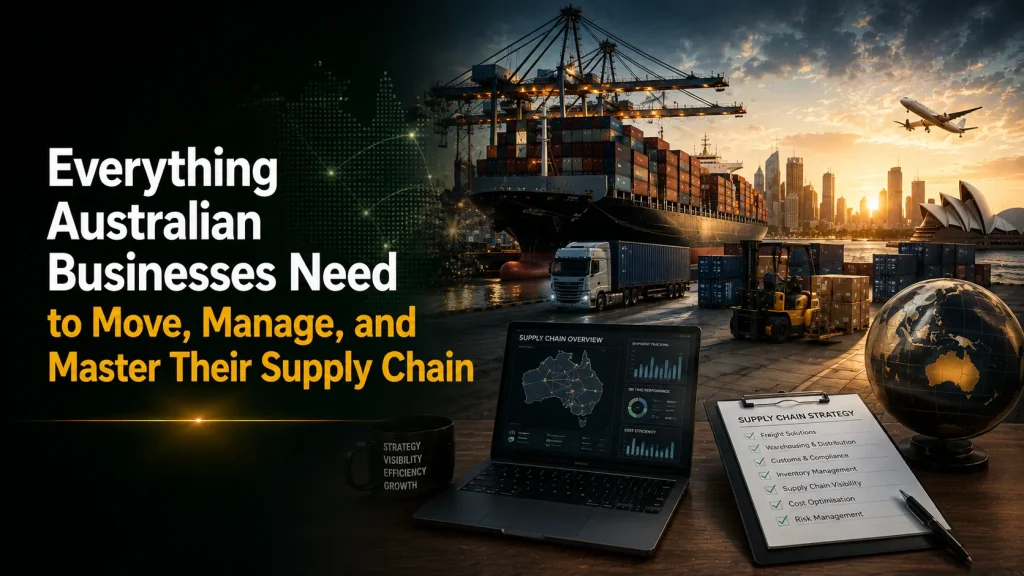
Everything Australian Businesses Need to Move Manage and Master Their Supply Chain
Written by the FR8WISE Supply Chain Team | FR8WISE is a Sydney-based logistics and supply chain consultancy delivering end-to-end FR8...
We’re here to answer any question you may have.
Would you like to join our growing team?
careers@fr8wise.com
Have a project in mind? Send a message.
info@fr8wise.com
Level 2, 88 George Street
The Rocks NSW 2000
We are here to answer any question you may have. Feel free to reach via contact form.
Construction logistics in Australia is a scheduling problem with heavy consequences. When facade panels, steel or fittings arrive late, trades stand idle and programme dates slip. FR8WISE helps builders, developers and building product suppliers plan imported materials so they land when the site needs them.
Weight and volume drive cost. Steel sections, stone, tiles, glazing and fixtures are heavy and bulky, so container loading and inland haulage often cost more than buyers expect when comparing quotes.
Compliance is the second trap. Building products must meet Australian standards, and plumbing products may need Watermark certification. Some steel and aluminium products attract anti-dumping duties, which can change a price comparison overnight. Asbestos is prohibited from import, and importers are expected to confirm that products from some regions are free of it.
Timing is the third. A late shipment is not a late shipment alone; it is a crane booking missed and a site sequence rearranged. Timber and packaging also need to meet biosecurity requirements, and sites in Sydney’s CBD often have tight delivery windows and limited unloading space.
Start with the buy. Our Smart Procurement Strategies compare suppliers on total landed cost, production lead time and Incoterms, so you see the real price of a facade package, not only the factory quote. We also help you sequence orders against site programmes.
Our Import Customs Compliance Analysis checks tariff classification, valuation and whether anti-dumping measures or free trade agreements affect your goods. Mastery in Supply Chain & Logistics trains project and procurement staff to read shipping documents and manage freight with confidence.
Alongside this, our supply chain optimisation work helps you plan transport and storage close to site.
Yes, products must comply with the Australian standards and certification rules relevant to their use. Plumbing products, electrical items and structural materials are common examples. Ask for certificates before you order.
They are extra duties on goods sold below fair value that harm local industry. They have applied to some steel and aluminium products. Check the current measures through the Anti-Dumping Commission before you commit to a supplier.
Order earlier than the supplier’s quoted lead time suggests, confirm documents before dispatch, and agree delivery windows with the site. Build a buffer for customs and biosecurity checks.
If a big import order is coming up on your next project, a short planning conversation can save weeks. See how we support engineering supply chains, or speak to our Sydney team about your construction supply chain.
Stay ahead with our latest insights on achieving clarity, certainty, and results-driven impact for your supply chain.

Adding {{itemName}} to cart
Added {{itemName}} to cart