
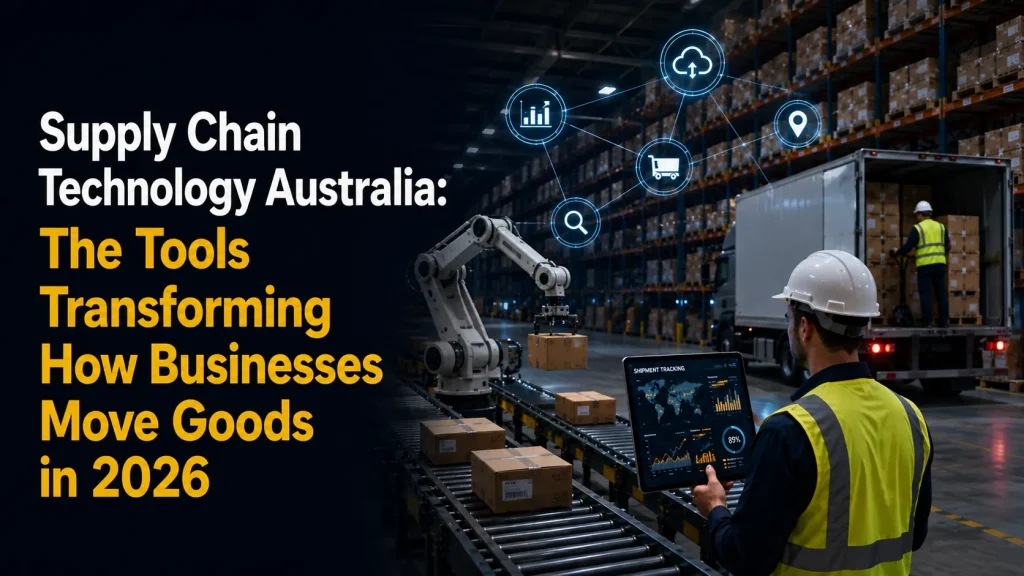
Supply Chain Technology Australia: The Tools Transforming How Businesses Move Goods in 2026
Written by the FR8WISE Supply Chain Team | FR8WISE is a Sydney-based supply chain consultancy working with Australian businesses across...
We’re here to answer any question you may have.
Would you like to join our growing team?
careers@fr8wise.com
Have a project in mind? Send a message.
info@fr8wise.com
Level 2, 88 George Street
The Rocks NSW 2000
We are here to answer any question you may have. Feel free to reach via contact form.
Energy logistics in Australia now centres on the build-out of solar, wind, storage and grid infrastructure, much of it using imported equipment. Large components, strict delivery schedules and complex paperwork make the supply chain as critical as the engineering. FR8WISE helps energy developers, contractors and equipment suppliers plan imports with fewer unknowns.
Scale creates the first problem. Transformers, turbine components, inverters and battery enclosures are heavy and often oversized. Moving them from port to a regional site means route surveys, road permits and escorts, and each step has lead time.
Sites compound it. Wind and solar farms are usually far from major ports, and access roads can be limited. A late delivery can idle a crew and a crane booked weeks earlier.
Regulation adds another layer. Battery systems contain lithium cells, which are dangerous goods with strict transport rules. Electrical equipment must meet relevant Australian standards and approvals, and tariff classification of complex systems is rarely straightforward.
Procurement is the fourth issue. Large orders often involve overseas suppliers with long production lead times, so decisions on Incoterms, payment milestones and delivery points directly affect project risk.
Our Smart Procurement Strategies help you compare suppliers on landed cost, delivery terms and schedule risk, not only the equipment price. We examine which Incoterms keep responsibility clear between you, the supplier and your contractors.
Our Import Customs Compliance Analysis reviews tariff classification, valuation and duty treatment on complex systems, including whether free trade agreements may reduce costs. Early review reduces the chance of disputes at the border.
For teams building internal capability, Mastery in Supply Chain & Logistics covers documentation, freight and Incoterms in a practical format. Our supply chain optimisation work helps coordinate inland transport and storage alongside the import plan.
Systems containing lithium-ion cells are generally dangerous goods for transport. They need compliant packing, labelling and documentation, and carriers may apply their own restrictions.
Usually by specialist vessels or break-bulk shipping, then by heavy road transport with permits and escorts. Plan the route early, because approvals and bridge or road assessments take time.
It depends on who is best placed to manage each leg. FOB or FCA suit buyers who control freight, while DAP or DDP shift more risk to the seller. The right choice follows your project contract.
If you are procuring equipment for a new solar, wind or storage project, a short planning conversation can clarify the import path. Our engineering industry page covers related supply chain support, or speak to our Sydney team about your energy supply chain.
Stay ahead with our latest insights on achieving clarity, certainty, and results-driven impact for your supply chain.
Adding {{itemName}} to cart
Added {{itemName}} to cart